
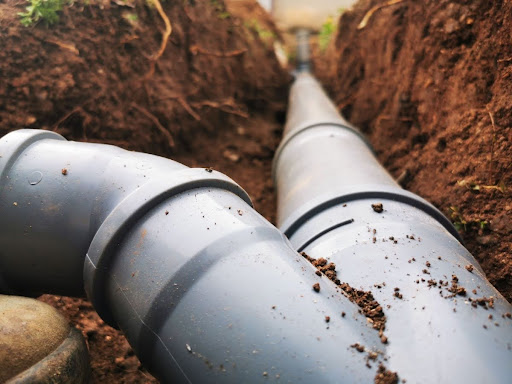
Every day, your sewer lines take on an enormous job that most people never stop to consider. Each flush, shower, laundry load, and sinkful of water travels through those pipes buried beneath your yard. Over the years, all that activity can add up, and while sewer lines are built to last, they aren’t invincible. Just like any part of your home, they can develop problems.
One of the most common but least understood issues is a sewer line belly. It sounds strange, but this sag in your pipe can cause major problems if ignored. By understanding what a sewer line belly is, how it forms, and the signs that something may be wrong, you can take action before it turns into a costly repair.
What Is a Sewer Line Belly?
A sewer system is designed with one main principle in mind: gravity should carry wastewater away from your home to the main sewer line. The pipes are laid at a specific slope to keep everything moving. When part of a pipe sags and creates a low point, water and waste begin to collect in that spot instead of flowing freely. This is what plumbers call a sewer line belly.
How Common Are Bellies in Sewer Lines?
Many homeowners are surprised to hear that bellies in sewer lines are more common than they realize. It’s not just older homes with cast iron or clay pipes that experience this issue. Even newer PVC lines can develop sagging if the soil shifts or the installation wasn’t done correctly.
What Causes a Belly in a Sewer Line?
A sewer line belly doesn’t happen overnight. It usually develops slowly, caused by changes underground or problems during installation. Knowing what causes a belly in a sewer line can help you understand how serious it can become.
Here are the most common causes:
- Shifting Soil: Over time, soil compaction or erosion can leave parts of a pipe unsupported. Without support, the pipe begins to sag.
- Tree Root Intrusion: Roots are strong enough to move soil and pipes out of alignment, creating pressure points that cause dips.
- Heavy Surface Loads: Cars parked above a sewer line or even large patios and driveways can compress the soil, bending the pipe.
- Improper Installation: If a sewer line was not sloped correctly when installed, bellies may appear much sooner.
Understanding what causes a belly in a sewer line helps homeowners recognize that this isn’t just “bad luck.” It’s often a mix of natural wear, environmental stress, and sometimes flawed workmanship.
Signs of a Sewer Line Belly
Because sewer line bellies form underground, homeowners don’t always recognize the issue until problems surface inside the home. Still, there are clear warning signs of a sewer line belly that you can watch for:
- Slow Drains Throughout the House: If sinks, showers, and toilets seem sluggish even after using a drain cleaner, the issue may be more than just buildup.
- Frequent Clogs and Backups: One or two clogs might not mean much, but recurring blockages are a strong signal that wastewater is pooling somewhere in the line.
- Unpleasant Odors: A sewer-like odor around drains, the basement, or even in the yard often points to sewage that isn’t flowing as it should.
- Changes in the Yard: Wet spots, sinkholes, or dips in the ground can signal leaking or pooling wastewater.
- Backflow Into Fixtures: Seeing wastewater in a shower or sink after flushing a toilet is one of the more serious signs of a sewer line belly.
These signs of a sewer line belly can be confused with other sewer line issues, which is why many professionals recommend a sewer camera inspection for confirmation. This tool allows a plumber to see the condition of your sewer pipes in real time and identify the exact location of the sag.
How Serious Is a Sewer Line Belly?
Homeowners often wonder: How serious is a sewer line belly? The short answer is that it should always be taken seriously. A small dip might not cause immediate problems, but once wastewater starts collecting, it’s only a matter of time before blockages form.
The longer a belly is left untreated, the more likely you are to experience:
- Wastewater pooling that corrodes pipes and increases the risk of leaks.
- Sewage backups that can damage flooring, drywall, and plumbing fixtures.
- Health hazards caused by wastewater exposure, odors, and bacteria.
- Expensive repairs if the belly worsens and leads to water damage in the home.
How to Fix Sewer Line Bellies
Once a sewer line belly is confirmed, homeowners naturally want to know how to repair a sewer belly. The solution depends on the severity of the sag, the material of the pipe, and the surrounding conditions.
Here are the most common repair options:
- Pipe Replacement: In cases of severe sagging, replacing the damaged section is the most reliable method. This may involve a trench or excavation to access the line.
- Trenchless Technology: Modern techniques like pipe bursting or lining allow plumbers to repair the damaged area with minimal digging. These methods are especially useful when the sewer belly is located beneath driveways, landscaping, or other structures.
- Soil Stabilization: In addition to repairing the pipe, the surrounding soil may need reinforcement to prevent future sagging.
Preventing Sewer Line Bellies in the Future
While no one can completely control soil shifts or heavy rain, homeowners can take steps to reduce the chances of sewer bellies forming. Regular maintenance and inspections are key. Scheduling a routine inspection can catch early warning signs before they escalate.
Keeping heavy loads, like parked vehicles, away from areas where sewer lines run can also reduce pressure on the soil. Being mindful of tree placement in the yard is another preventative measure. Tree roots are one of the leading causes of sewer line damage, so planting far from sewer lines makes future issues less likely.
Taking Action Before Problems Get Worse
So, how serious is a sewer line belly? Serious enough to cause damage if left alone. The good news is that solutions exist, and with today’s trenchless technology, they don’t always mean tearing up your entire yard.
If you’ve noticed signs of a sewer line belly and need a plumber in McHenry or Lake County, IL, don’t wait until the problem grows. The sooner you call Tidy Tank Plumbing, Sewer, and Septic to investigate, the better. We can perform an inspection and provide a clear plan for the next step.
Turn Sewer Line Worries Into Sewer Line Solutions
Your sewer pipes may be hidden underground, but the problems they develop will always find their way to the surface. If you’re worried about a sewer belly or any other sewer line complication, it’s time to take action. Tidy Tank Plumbing, Sewer, and Septic proudly serves the residents of McHenry County, Lake County, and the surrounding communities in Illinois.
Our team is ready with the tools, knowledge, and experience to handle sewer line repair and sewer line replacement. We focus on accurate diagnosis, effective repair options, and customer satisfaction so that your home is protected against future issues. Reach out to us today!